

The State of Performance Marketing
If 2024 was the year brands tried to “get back to growth,” 2025 has been the year of recalibration. Everywhere you look, the rules of media are shifting: automation is rewriting targeting, creators are reshaping trust, and AI is forcing every marketer to rethink what it means to build attention in an algorithmic world.
We’re not watching an evolution so much as a reordering. Here’s what we’re seeing at Morning Walk: What's working, what’s breaking, and what’s coming next.
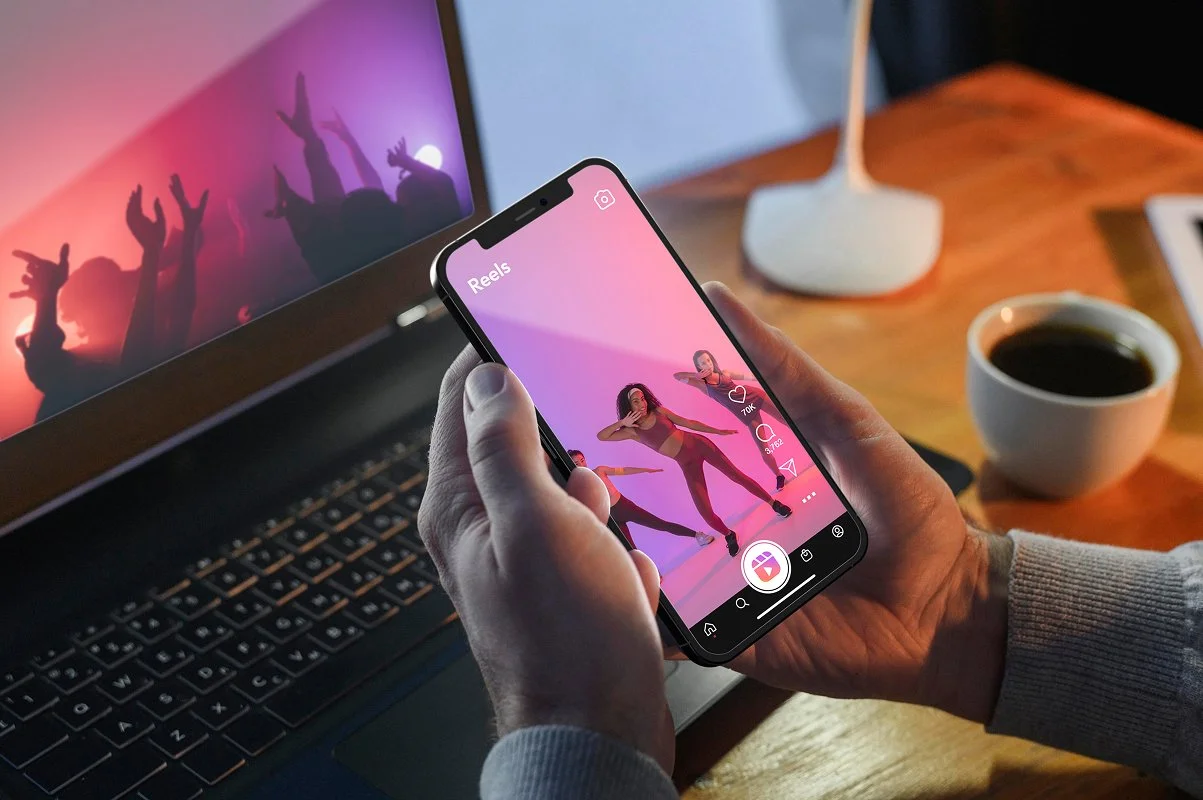
Video still rules, but the shape of it is changing
Video is still the gravitational center of digital media, but it no longer lives in one place. Short-form clips on TikTok, Reels, and YouTube Shorts continue to dominate time spent, while Connected TV (CTV) is finally having its long-promised moment.
Basis Technologies reports that CTV impressions have jumped more than 20% year over year, and brands are experimenting with shoppable and interactive formats that merge storytelling with conversion. At the same time, Ad Age notes that video now represents nearly half of all digital ad spend worldwide.
But “video” today isn’t a single tactic. It’s the connective tissue across the funnel from a 6-second YouTube bumper to a 60-second influencer spot to a three-minute brand film.
Our POV:
The best advertisers are building ecosystems, not isolated assets.
Meta’s Andromeda and the automation era
Meta’s rollout of Andromeda, its new machine-learning infrastructure, has quietly changed how media gets bought. The platform is now less about who you target and more about how your creative performs.
The algorithm doesn’t care if you built 40 ad sets or segmented every interest. It cares which ad variant drives engagement, conversions, and resonance. Plus, it learns faster than any human media planner ever could.
Advantage+ campaigns have become the new normal, and creative variety has turned into the most important lever in performance. As LinkedIn’s 2025 Agency Forecast put it: “Creative signals are the new targeting.”
Our POV:
The time has come for letting go of granular control in favor of creative depth and building feedback loops that teach the algorithm what “good” looks like.
The creator economy isn’t a trend, it’s the new media channel
If you’re still treating creator partnerships as a nice-to-have, you’re behind.
Ad Age projects that creator marketing spend will top $30 billion in 2026. The IAB has even carved out its own “CreatorFronts,” a dedicated industry event that now sits alongside the long-established NewFronts.
Creators have become media outlets in their own right. They offer authenticity, built-in trust, and niche authority - something brand channels can’t replicate on their own.
Our POV:
A shift is happening from contracting one-off influencer posts to long-term creator partnerships that span both organic storytelling and paid media distribution. It’s not about getting someone to post; it’s about co-creating content that actually earns attention.
Budgets are flattening, but focus is sharpening
Global ad spend is still growing, but the pace has slowed. WPP’s mid-2025 forecast puts overall growth around 6%, with most of that coming from digital channels.
As performance pressure builds, brands are consolidating, trimming bloated channel lists and putting more money where data is clean, commerce is built in, and creative can scale. For most advertisers, that means Meta, Google/YouTube, Amazon, and (increasingly) retail media networks.
Our POV:
Say hello to fewer, smarter buys. Less fragmentation. More intentionality. When every impression has to prove its worth, clarity wins.
What 2026 Will Bring
The changes ahead aren’t minor tweaks, they’re structural shifts. Here’s what we’re preparing for:
Creative becomes the targeting.
With systems like Meta’s Andromeda and Google’s AI-driven Performance Max, creative assets themselves define audience delivery. Every frame and caption is a data signal.Retail media goes mainstream.
Ad Age projects retail media spend will surpass $175 billion globally next year, rivaling social and search combined. For consumer brands, this channel is no longer optional.Attention replaces clicks.
Expect new pricing models like cost-per-view-second and deeper “quality of engagement” benchmarks. CFOs will demand incrementality, not vanity metrics.AI assists, not replaces.
AI will write, edit, test, and optimize ads but the best campaigns will still hinge on human insight, empathy, and timing.Creators become creative partners.
The line between influencer and agency collaborator will blur completely. Creators will become extensions of brand strategy.
The Bottom Line:
The media landscape has never been more complex or more full of opportunity. The next era won’t reward the loudest advertisers; it’ll reward the most adaptable ones.
2026 will belong to brands that can pivot fast, produce creative at scale, and measure meaningfully. That’s where we’re focused at Morning Walk helping brands connect what they say, where they show up, and how they grow.