

The State of Creative
What is creative now? How do we do it? And who, or what, and why?
Creativity has been at the heart of the dark art of persuasion from the very beginning. Early on brands discovered that if they become worthy of your attention, they have a better chance of selling you something.
So, in the 80’s Hallmark made you cry.
Nike made you feel fierce.
The Economist made you feel smugly superior.
And they did it primarily through ads. They made designs that were crafted to elicit some sort of emotional response and ultimately drive some sort of economic transaction. That goal has remained largely unchanged. But, the way brands go about it today has evolved completely.
So, what is the role of creativity now in a post-modern, post covid, and post AI world? Well, according to Chat-GPT creativity has become “more, not less, essential.” Assuming that is true (and how could it not be), let’s endeavor to understand what creative is today.
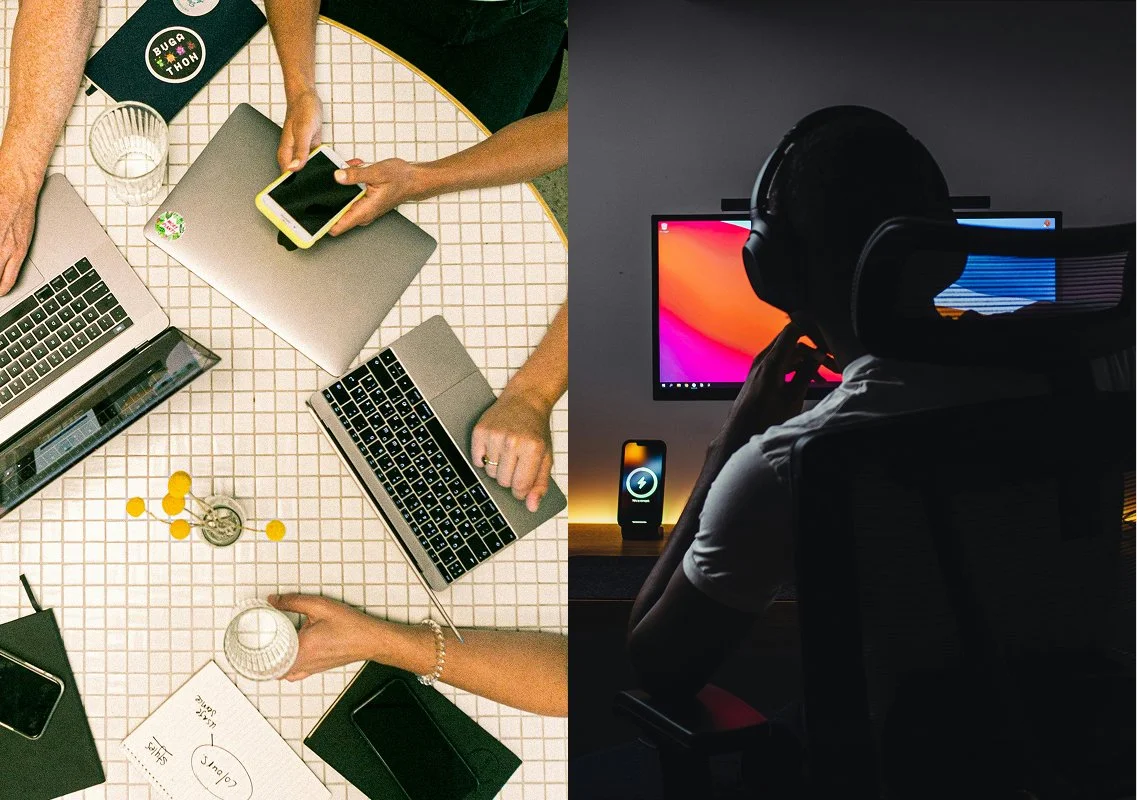
Creators vs. Creatives
They used to call us creatives. The adjective became a noun. We were professional creatives. We made ads that were supposed to be (on a good day) creative. We owned the idea. And we employed craftspeople and artisans and makers to help make it come to life.
With this came an entire production line – an ecosystem of creative people who worked together simply to make ads.
That day no longer exists.
At its core, we are no longer creatives. We are creators. We are each a one-stop-shop using superhuman tools to make things. We now come up with the idea and produce the idea often at the same time. The time has come where we’ve evolved from creatives to creators.
Creative solutions vs. Creative things
Clever isn’t enough. Noisy will no longer suffice. Creative ideas and solutions that build business and drive growth are the new creative currency.
Why? Because they are more substantial, more valuable and more important than ever before.
Creatives need to be businesspeople. They need to design brand systems, content, and experiences that not only create an emotional connection but drive conversion. The brief is much narrower, but the creative playing field is much wider.
Outcomes (theirs, not yours)
It only works if it works.
The industry is littered with campaigns that have won dozens of awards but did not move product and so the agency is fired along with their trophies. Now this is not to say that compelling creative cannot also be economically viable – in fact the best work works – it entertains or excites and it is deeply tied to the efficacy of the product.
Ultimately, there should be a moral to the story and a customer journey to be laid out where friction is decimated and action is rewarded.
Um excuse me… your AI is showing
AI won’t save us and it won’t ruin us. But it is, and will continue to be, ubiquitous.
It is and will be systemic to how we think and what we make. Make peace with it and move on. We spend a lot of time rationalizing and hand wringing about AI. It is a creative partner. It is formidable. It is here to stay. Work with it, use it, and don’t let it use you.
Obsession and Amnesia
The definition of creativity is changing, as is the role and the way creativity happens.
The only way to stay relevant is to stay agile, be open to change, and live in a state of persistent learning. In other words, you need to be a bit obsessed with this stuff to be any good at it. You need to forget the old habits and the old ways of doing and making, the old crutches and the good ole days. Let’s face it: You need a bit of creative amnesia.
A wise man by the name of Rishad Tobaccowala once said “the future does not fit into the containers of the past.” We need less nostalgia, less looking backward. More willingness to suck at something, to learn, to be a student and to be a beginner. Curiosity is the essence of creativity.
Be a firm but fair master to your robots
Use your new tools to serve your needs. Nonlinear editing, visualized music, these were once quantum leaps that were scary and unnatural… until they weren’t.
Adoption is the first step. Then mastery. Then, it gets interesting.
From there, you can use this power in new and interesting ways and create things that are entirely you and entirely new. Creativity is still about having a point of view. Use your tools and partners to express your point of view – that is the one thing you can never give up.
By the way – you’re in Sales
Ultimately the only metric for success is growth. Are our creative ideas driving growth for our clients? They better.
Ultimately, we work in sales. And that is not a bad thing, we just need to be honest that our creativity is a certain kind of creativity which is designed to enable commerce.
If it doesn’t move the business, it’s simply just beautiful noise.
Forecast: What to Expect in 2026
We will see more creators creating more things in more ways.
We will see more collaboration and creative partnership with creator networks because the world is full of interesting makers – and many of those creators come with an audience – so they are both content and media.
We will also see brands rebalancing hero, halo and hub content in the way that results in the best outcome – maybe the content biases in the past will be killed by data.
Finally – the organizing idea – the thing that drives all the creative ideas will have a newfound importance. There needs to be a north star to drive what a brand does (and importantly doesn’t do) especially when the number of brand creators grows exponentially.
Morning Walk’s Playbook for 2026
Find ways to make more, with more creators, in more ways
Good creative is creative that works
Data is your friend – no, really.
Have a big idea – but be platform specific in your articulation.
Be obsessed about what you do now, and forget the ways of the past.
The Bottom Line:
Be a creator. Not a creative.