
Creativity Has Never Mattered More, But the Game Has Changed
AI’s new role in branding ecosystems
I grew up as an artist in a family of pragmatists.
It started with watercolor at my art teacher’s kitchen table, brush in hand, trying to capture light. That spark turned into drawing, screen printing, sculpture. Then photography, digital design, motion graphics, UX/UI, and eventually brand systems. And now even gardening, with its delayed gratification, scratches the same creative itch.
And practicing creativity has shaped how I think. It teaches problem solving, empathy, patience, vision, and follow-through. At its best, creativity connects people. To ideas, to each other, to something bigger than themselves. Because the real value of creative is the connection. Each shift brought new tools, new methods, and new ways of thinking. But creativity has never been about the tools. It’s about what it unlocks.
And that’s why I see AI not as a threat to creativity, but as its next instrument. Charcoal, the printing press, Photoshop. AI will take its place in the long lineage of tools artists and thinkers have always used. Not to replace human skill or craft, but to change how far we can reach with it.
But we can’t confuse the emotional charm of craft with the commercial velocity of business.
This moment in marketing is a lot like every huge technological shift that has come before us. There was a moment when people insisted horses were better than cars. Quieter. Less dangerous. A known entity. And they were right, in their way. But horses weren’t built to win the future.
That’s where we are now.
Craft still matters. Human creativity still drives connection. The reality is, in a business environment where every brand is measured by performance, attribution, and agility, the demands have outpaced what’s humanly possible using legacy approaches alone. The real opportunity now is to collaborate with creators in ways that benefit them and the brands they support.
AI’s role isn’t to replace human intuition and creativity. It’s to remove the friction around it. These are new problems for a new era, and the brand teams winning today aren’t involving themselves in the great clash of art vs. AI, they’re blending them and rewiring their creative workflows for quality at speed, and vision at scale.
That’s the car. That’s the shift. And no amount of nostalgia is going to reverse it.
Introducing the Creative Orchestrator
The advantage now belongs to those who can orchestrate creative complexity. Who can connect the dots of data, business goals, creativity, and media. Who build systems that actually work, not just slides that theorize. The edge is with those that embrace AI not as a threat, but as a strategic partner in building sharper ideas, faster execution, and smarter business outcomes.
If your workflow still looks like a linear relay race (brief, brainstorm, create, review, launch), you’re already behind. Today’s brand leaders are juggling multiple processes simultaneously, integrating AI platforms tuned to proprietary data, aligning insights across touchpoints, and compressing timelines without losing strategic clarity.
It’s… everything. But it’s not magic, it’s orchestration.
Signals from the Front Lines
The shift isn’t just obvious, it’s showing up in the headlines.
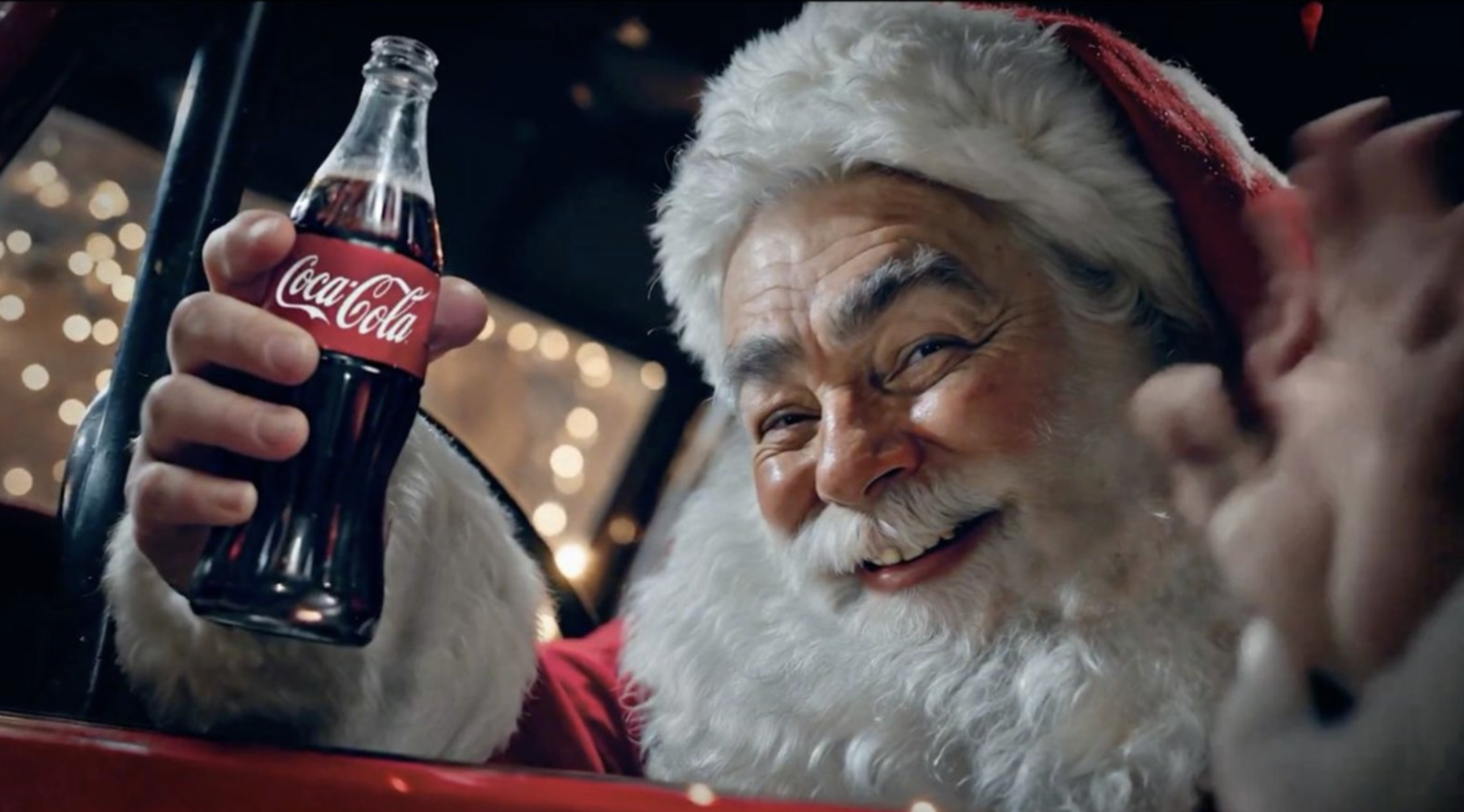
1. Coca-Cola’s Holiday Ad
Coca-Cola used AI in its holiday campaign. People freaked out. The brand didn’t flinch. They stood by the work, and by the role AI is going to play. Like it or not, AI is now part of big-brand storytelling.
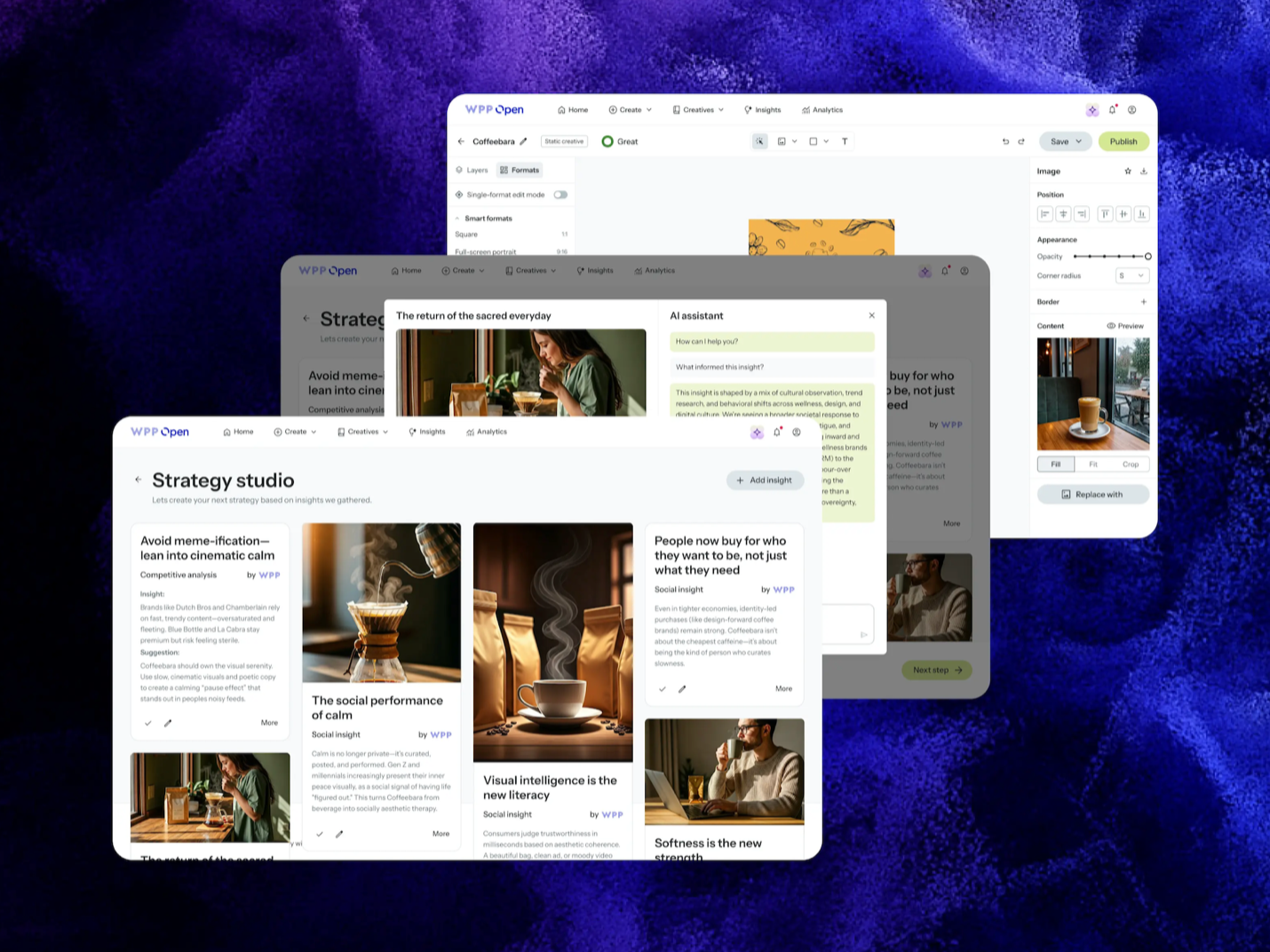
2. WPP Open
WPP’s AI’s platform is proof that they are at least trying to adapt. While other mega-agencies cling to bloated structures, WPP is attempting to connect creative, media, and data into a single system.
3. Agency Consolidation
Most of the consolidation today is about survival rather than innovation. These are big, hungry, slow-moving animals built on the traditional marketing model. Headcount cuts are a balance sheet sleight of hand. A way to ride out the storm, not navigate it. Because (surprise, surprise) clients actually want outcomes, not org charts.
The Blank Page Still Matters
AI can give you velocity. It can give you scale. It can give you more solutions. But the blank page still matters. Because (same as ever) every truly creative act that has built brands, moved markets, and earned loyalty began with that same, naked, vulnerable feeling of starting with nothing. Just an idea.
And now, more than ever before, I like our chances.

About Janson Straub
Janson Straub, VP/Group Creative Director, is an innovative problem solver. Visually-led by nature, he drives work that’s born from data, rooted in human insight and focused on creating emotional connections between brands and their customers. His experience includes brand-building work for brands such as OtterBox, Masonite Doors, MillerCoors, Conagra, Leinenkugel’s, and Bardstown Bourbon Co. An avid traveler and outdoor photographer, novice homebrewer, and wannabe soccer player, Janson strives to bring natural beauty into everything he does.